Friday, April 24, 2015

#76 Mar 2015 Florida Keys - Sunsets and Dolphins

We were booked into a park in Homestead (near Miami) and explored the Everglades and the Keys from there.

A few years ago we took a bus tour from Fort Lauderdale to Key West. It was very informative but an overview due to time limitations and the distance.

Now we wanted to explore on our own. We “thought” that it would be less expensive to book a hotel for one night rather than an RV resort costing at least $100 per night. Fuel would be less expensive for the Suzuki than the RV. Well, the Suzuki certainly took less fuel than the RV would have. However, the cheapest hotel was $335 per night. Fortunately we were able to use points instead of US dollars at a 28% premium.

The Florida Keys are a string of islands connected by 42 bridges ending in Key West. This time the pen is pointing to the highway from Key Largo to Key West, a distance of about 130 miles.

The drive is spectacular with many small communities along the way.

The average depth of Florida Bay between the mainland (Everglades) and the Keys is 6 feet. This creates a fantastic range of water colours. These are true colours – not enhanced.

We stopped at the Dolphin Research Center, which was started in the 1950’s as Santini’s Porpoise Training School. In 1963 Hollywood learned about the Center befriending dolphins and made the movie “Flipper”. Some of his descendants are still at the Center.

In the late 1970’s the research at the Center was influential in persuading the International Whaling Commission to limit or stop hunting whales, a close cousin of dolphins.

The trainers work with the dolphins and learn how to stimulate each dolphin according to his/her personality.

They also play with the dolphins.

And work with sea lions.

The sunset in Key West is a prime attraction. Hundreds of people gather at Mallory Square to watch buskers, enjoy food carts and wait for the magic moment when the sun sets across the vast Pacific Ocean.

Cruise ships sail away just after the sun dips below the horizon.

The passengers on this jet would have a different but equally spectacular view of the sunset.

On the Square most people leave after the sunset and the outdoor tables are available. We had a late supper, savoured the dusk and watched the sunset cruisers drift past.

After supper we wandered past the Original Jimmy Buffet’s Margaritaville CafĂ©.

The next day we returned for nachos for lunch – what a feast! Of course Ralph had Landshark beer and I had a margarita (or 2).

We took a trolley tour of Key West, which is the Southern Most Point in the Continental USA. The line up for a photo op was about an hour. We don’t know these people but they were having fun and we continued our tour.

A small version of the Marilyn Monroe statue was a popular spot.


The first European explorer to discover Key West was Juan Ponce de Leon in 1521. Fishing was the mainstay for many centuries until it was “discovered” by people such as Ernest Hemingway as a winter getaway. There are many beautiful, stately homes.

Some of them very fanciful.

Several churches dominate the skyline.

There is a recurring theme among the cities we have visited. If a building is not completed (painted) then the taxation is less.

On the way back we viewed the original boat from the movie “African Queen”.

This pelican was waiting for just the right fishing dive.

A glorious sunset and drive then back to the RV for our next adventure.

Sunday, April 19, 2015

#75 Mar 2015 Florida Everglades National Park

The word Everglades conjures images of mysterious creeks with overhanging mangroves, prehistoric alligators and unfamiliar birds darting to and fro. We saw all of that and learned so much more about the nature of the Everglades.

After much discussion with each other and referring to National Geographic on the Internet we think we have sorted out alligators and crocodiles. American alligators thrive throughout Florida. A remnant population of crocodiles lives in southern Florida in the Everglades. We saw both but it was often difficult to determine which we were seeing as they drifted silently through murky water.

Crocodiles have longer, thinner snouts and are lighter in colour. They live in salt water but tolerate some fresh water, which is why both species exist where the Everglades drain into Florida Bay.

American alligators have a rounder snout and darker colour. They reside in freshwater rivers, lakes, marshes and even swimming pools.

The everglades are fed from Lake Okeechobee in Central Florida. Historically fresh water slowly drained south and nourished an incredible diversity of plants, animals, fish, birds and humans. Over the last century humans have rerouted the water into a massive plumbing system for agricultural, commercial and household use. The Everglades were shrinking dramatically and much of the life within was facing extinction.

After many years of pressure from nature lovers, conservationists and scientists Everglades National Park was created in 1947. Since then many species have revitalized but there is so much more work to be done. The big question is “How to balance the needs of nature and humans in such a delicate eco system?” It is not a new question and is asked around the world. Only time will reveal how well the humans (who are in control) respect the future.

This map shows the water flow through the Everglades into Florida Bay. The pen points to the edge of the Everglades where we saw a crocodile.

We explored trails and information signs and began to understand the topography of the Everglades. It appears flat but the area is so fertile that a few inches increase in altitude provides a new environment.

From Everglades Prairie

To stunted Bald Cypress in shallow water with thin soil

To lush stands of trees in deeper pools with rich accumulations of peat.

For decades we have had an Audubon Field Guide to Birds of Western North America. As we travelled east I finally realized that my go-to book was not giving me the expected information. We were now in Eastern North America. I was delighted to find the Eastern version of the same book. Now I can often identify the birds I capture with my camera.

When we were in Louisiana I saw robins and red wing blackbirds in their winter habitat. In Texas we saw sandhill cranes. Now in southern Florida there were many new feathered friends.

These turkey vultures looked like chickens scratching around but there must have been something more interesting.

These osprey parents were guarding two chicks.

I have often seen Great Blue Herons on King George Boulevard near 40th Avenue but I was always driving and didn’t have the camera with me. Now I have my camera with me more than my purse. This fellow was patiently waiting for supper and for me to take his picture.

Anhingas, like cormorants, lack oil glands with which to preen. They must perch with their wings half open to dry them in the sun. They look odd just standing with their wings out stretched.

We were told that we could likely find Roseate Spoonbills at Eco Pond in the early morning. We were back in the park another day by 8 AM and were rewarded with a multitude of birds (and humans watching them).

White pelicans were cruising for breakfast.

Black-necked stilts were carefully moving around looking for their next morsel.

A reddish egret was ready for a new fishing spot.

And finally a spoonbill! Only one but he was worth getting up at 6 AM. Beautiful colour and such a dramatic bill.

We re-visited the osprey nest. Breakfast was being delivered.

What a beautiful inspiring park. We hope the Everglades will flourish and grow for future generations to appreciate and enjoy.

Thursday, April 16, 2015

#74 Mar 2015 Ft Myers (Edison, Ford and Sea Shells)

It was now time to explore more of Florida, starting in Ft Myers.

We had heard about the seashell collecting opportunities on Sanibel Island near Ft Myers. It was still Spring Break and beaches were very busy, however, not everyone was looking for the sun and sand. Were the fisherman and the fishing egret looking for the same fish?

We intended to get an early start at the beach but by the time we made our way through the traffic it was 10 AM and 28*C in the shade.

Ralph tolerates the heat very well. I do not but with a big broad brimmed hat I was determined to find some nice shells. We found some unbroken and colourful shells but mostly browsed the sand.

The beach scenery was colourful and entertaining.

On a beautiful sunny day it is easy to forget the potential dangers near the water. There are many signs warning beachgoers to be alert and look around.


Captiva Island is just north of Sanibel Island and is very lush and less busy. The shell hunting seemed about the same but we were not being very diligent about our searching.

The Sanibel Lighthouse is a different type of structure than we have seen before.


As we walked toward the Lighthouse there was a gopher tortoise scurrying across the parking lot. Tortoises are reputed to be slow but this one was on a mission. I had to walk quickly to get ahead of him for a photo.

We always find unexpected points of interest when we arrive in a new location. This time it was the Thomas Edison and Henry Ford Winter Homes Museum. In 1885 Edison stated “there is only one Fort Myers and soon 90 million Americans will discover it” and they certainly have.

His estate is very serene and inviting on the Caloosahatchee River.

White ibis add to the color.

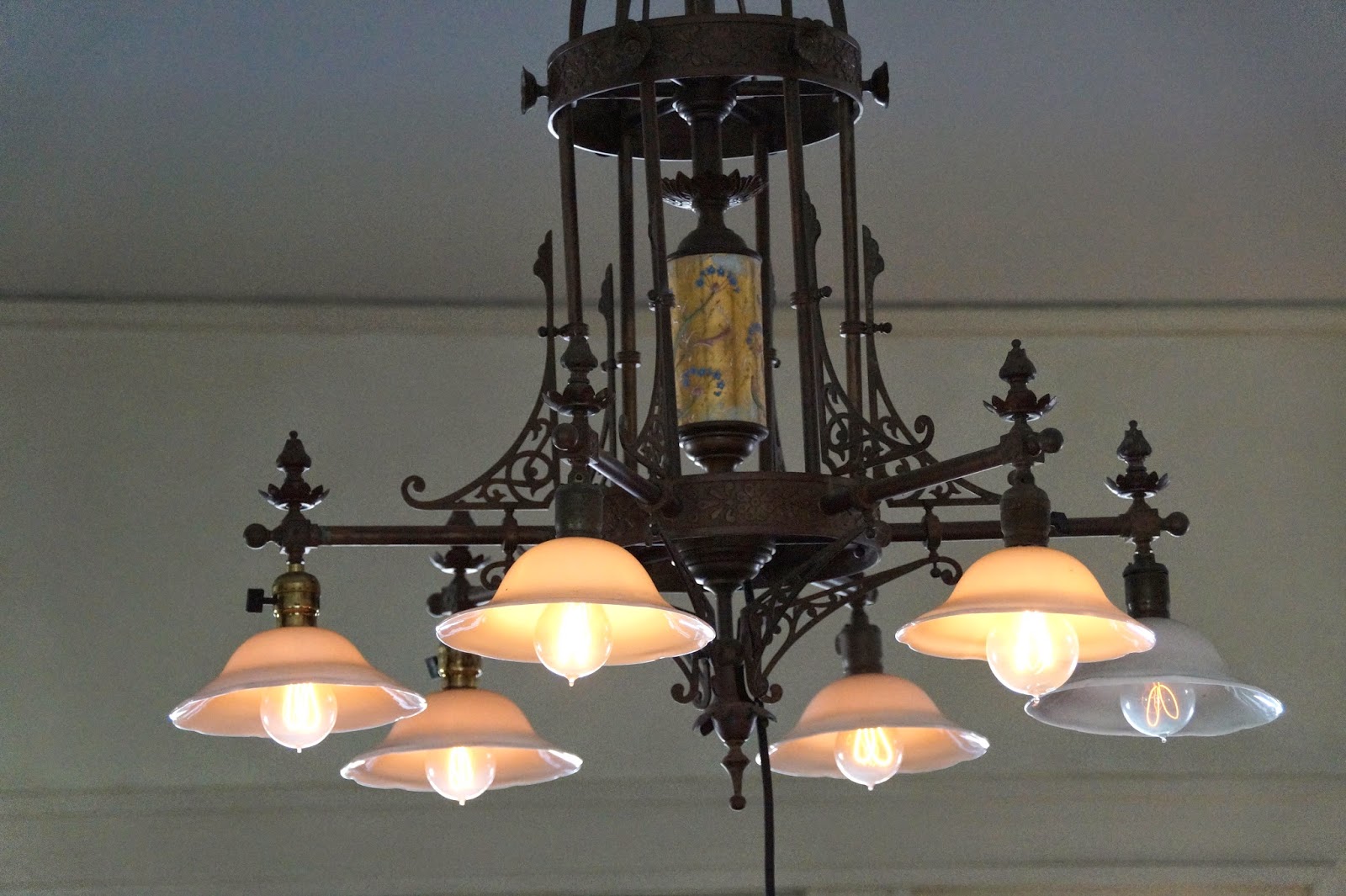
Edison is best known for his invention of the first commercially viable electric light bulb. The chandeliers in his winter home display the lights.

His phonograph invention was an entertainment highlight in his home.


Henry Ford was among the many distinguished visitors to the Edison home. Ford purchased a home adjacent to Edison’s and together they explored southwest Florida in the 1916 Model T Touring car Ford gave to Edison.

In 1929 the new Model A was introduced with many improvements. One in particular moved the gas tank from under the front seat to under the hood, where it sat 18 inches higher than before. Previously, gas was gravity fed and when driving uphill, the car would stop because the gas had drained away from the engine. To prevent this from happening, drivers had to drive in reverse. A law eventually went into effect in Pennsylvania that the car going backwards uphill had the right-of-way.

Spanish Moss on live oak trees is very prevalent in Florida. The Spanish Moss appears soft and fluffy. It would seem to be a great stuffing for seat cushions in Ford automobiles. Unfortunately, there are tiny insects called chiggers that live in the Spanish Moss. That led to the first Ford recall.

Edison and Ford enjoyed one another’s company and stimulating conversations in many places and times. It was enlightening to see the personal and family perspective as well as the public side of these two inventors extraordinaire.